Link to Cambridge University Library catalogue entry
John Wells writes: The literary and personal documents of the poet and memoirist Siegfried Sassoon which remained in the possession of Sassoon's son George at the time of his death in 2006 included some of the most significant of all Sassoon's surviving papers. Many of the writer's manuscripts and letters had been dispersed by sales during George Sassoon's lifetime (a proportion of them finding a home in Cambridge University Library), but the 'remaining archive' is of special importance.
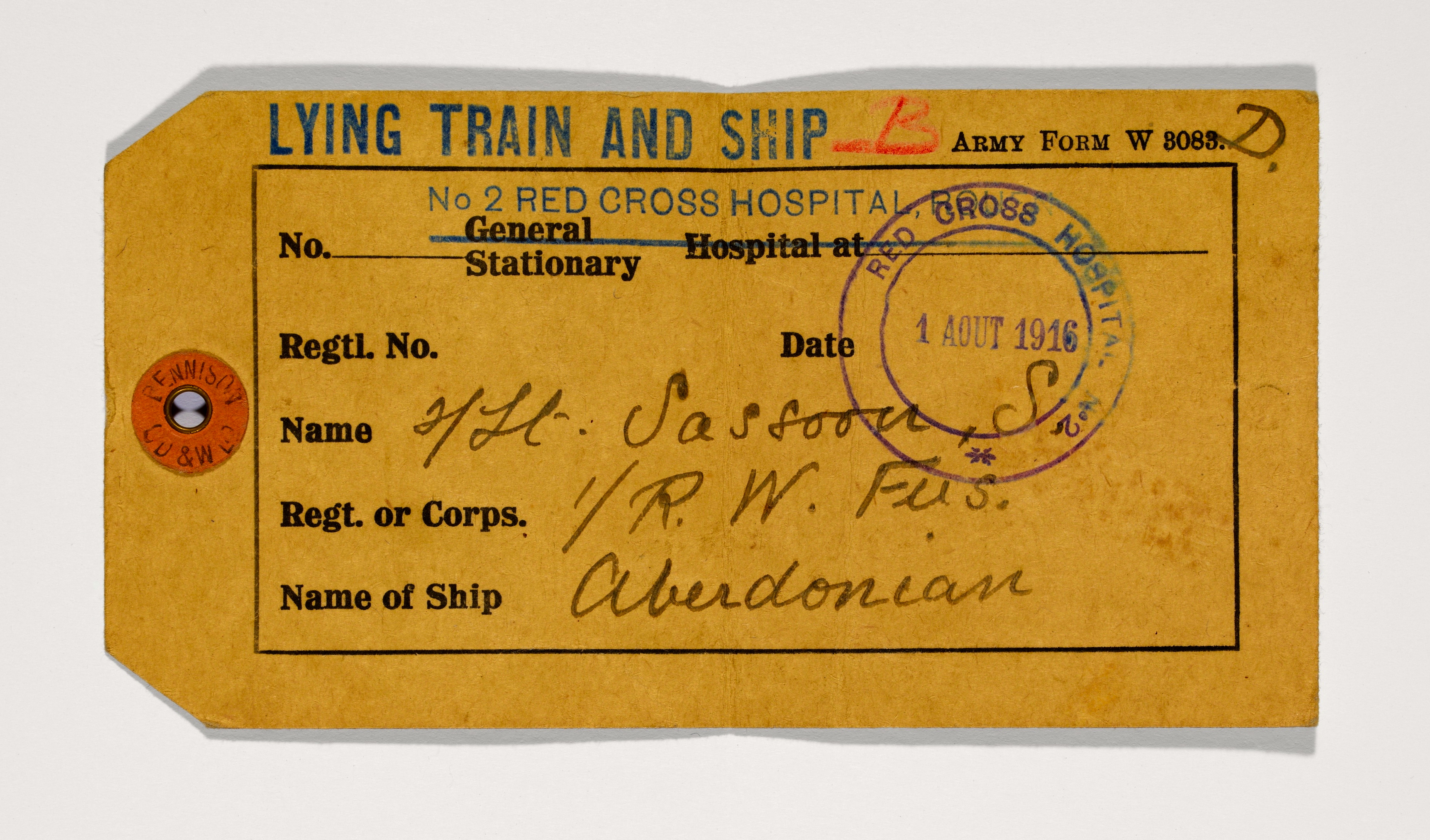
Chief among its contents is a series of war diaries and notebooks. These contain journal entries, poems, prose compositions (including drafts of Sassoon's celebrated 1917 statement against the continuance of the First World War), transcriptions of poems and literary works by writers other than Sassoon, pen-and-ink sketches and lists of casualties, covering the period from November 1915 to January 1919. Several of these small-format booklets were kept in Sassoon's tunic or trouser pockets during his periods of active service on the Western Front and in Palestine, and their particular intermingling of literary genres, combined with the perilous personal situation of their author, has resulted in historical and cultural documents of exceptional associative power. Many have loosely inserted papers, which include a poem, 'To S. S.', written by Robert Graves and dated from Mametz Wood on 17 July 1gı6, at the height of the Battle of the Somme, and, from a diary a year later, two telegrams ordering Sassoon to report immediately to the Royal Welch Fusiliers headquarters following his refusal to return to the War after a period of convalescent leave.
The war diaries are supplemented by a larger set of post-war journals, taking the record of Sassoon's life up to 1959. These are largely unpublished, and represent a significant resource for research into the development of Sassoon's literary career and personal relationships. There are also notebooks recording conversations with Thomas Hardy and researches arising from Sassoon's 1948 biography of George Meredith.
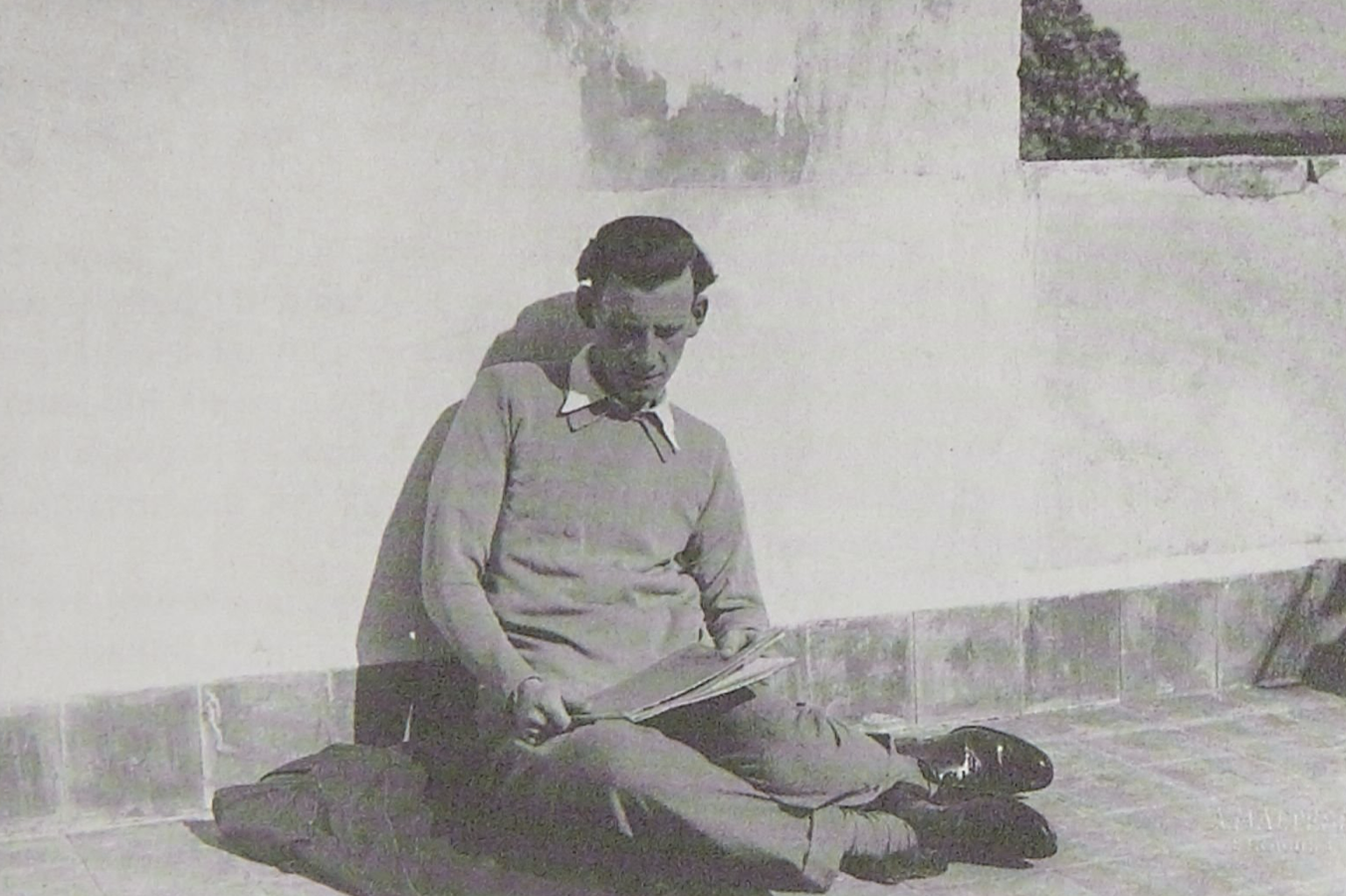
Poetical drafts occur in the diary volumes, but there are also several notebooks wholly devoted to fair copies of Sassoon's verse. These include the manuscript book ‘Beautifully bound in orange-vermillion vellum, with end papers of a brocade-like Italian pattern of blue and marigold entwined on a dim-gilt background' which Sassoon recorded in Siegfried's Journey had been a gift from Lady Ottoline Morrell in 1916, and which 'seemed almost too exquisite even for my most careful handwriting' Other highlights of the archive are a series of notebooks and sets of loose sheets containing drafts of Sassoon's autobiographical trilogy The Old Century and Seven More Years, The Weald of Youth and Siegfried's Journey, and several sets of correspondence, both letters written by Sassoon, including his letters to Hester Gatty, whom he married in 1933, and letters addressed to him, mostly gathered in groups marking events in his literary and personal life such as the publication of books of prose and poetry, the award of his C.B.E., and his entry into the Roman Catholic Church. A quantity of photographs, mostly of an informal nature, is also present.
With the help of the Friends of the National Libraries, the National Heritage Memorial Fund, and many other charitable bodies and individuals, the archive has now been acquired by the University Library by private treaty sale. Together with the Library's existing holdings, it represents the world's pre-eminent collection of Sassoon manuscripts.