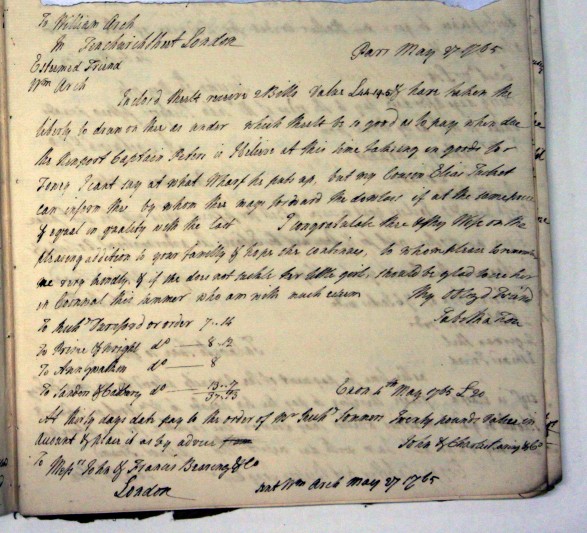
Archives of the Fox family of Falmouth, incorporating the archives of G. C. Fox and Company
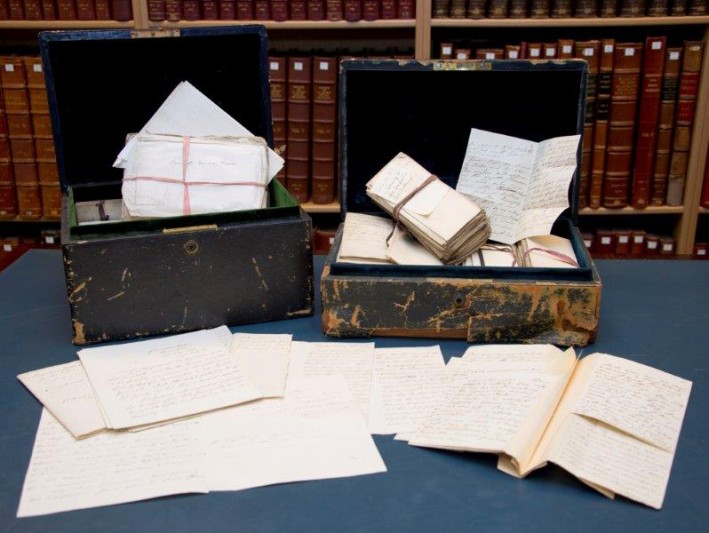
The Fox family of Falmouth are unparalleled within Cornwall for the breadth of their commercial activities and personal interests.
37 grants for 2014.
The Fox family of Falmouth are unparalleled within Cornwall for the breadth of their commercial activities and personal interests.
This is an unrecorded first issue of Edward Jenner’s first publication.
Two volumes, containing 7 rare printed works relating to 18th century French art, from the stock of the late antiquarian bookseller Diana Parikian.
The first edition of Humphrey Repton’s An enquiry into the changes of taste in landscape gardening of 1806: Repton was one of the great landscape gardeners of the 18th century, and is ofte
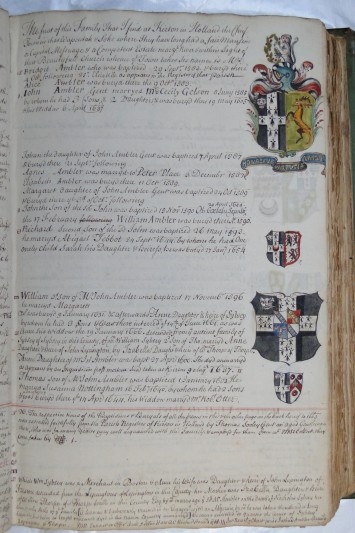
The full title for these manuscripts is , Armes & Memoires of ffamilies in Lincolnshire.
The first (Lot 30) acquired at auction was a Court Baron for Carshalton dating from 1682 to 1833.
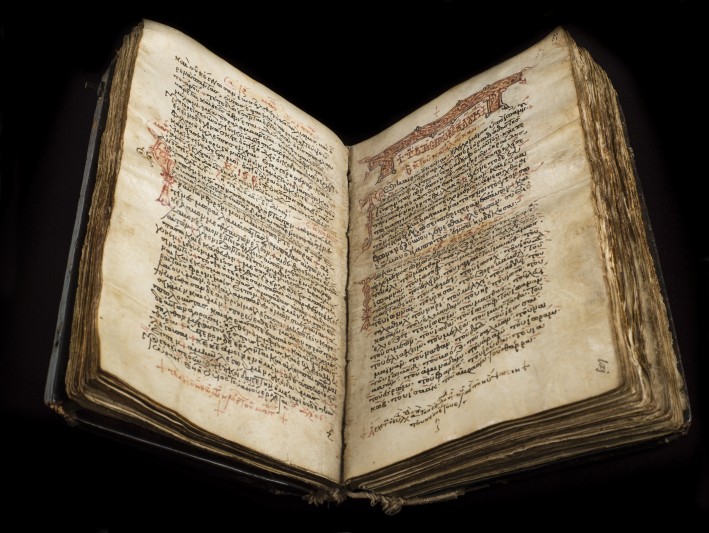
The Codex Zacynthius is a named codex of the New Testament, consisting of 176 parchment leaves in a 16th-century goatskin binding.
The Rev. George Armstrong was initially an Anglican clergyman who became an influential Unitarian minister and this collection of his letters is largely unpublished.
In 1903 Anna Muthesius published the influential Das Eigenkleid der Frau, regarded as a seminal text in the development of early twentieth-century dress, and particularly associated with the Artist
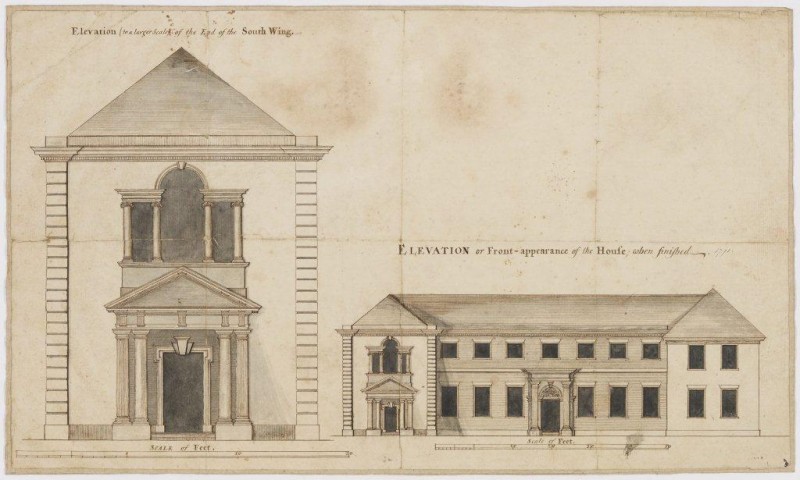
Thomas Pitt was amongst the most important of the amateur English Architects of the 18th and 19th centuries; in one of Sir John Soane’s lectures as Professor of Architecture at the Royal Academy, h
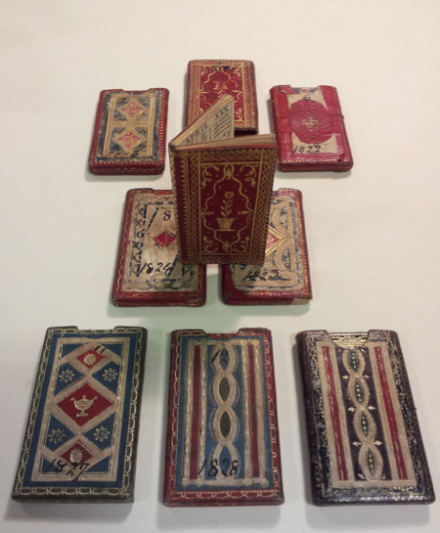
A sequence of early nineteenth-century London Almanacks, which were essentially ephemeral and are consequently very rare indeed.
A copy of the second edition of Dryden’s seminal translation of Virgil.
This edition of Tacitus’s Orationes Omnes, which once belonged to John Keats, was purchased with the generous assistance of a grant received by the Friends of the National Libraries and with
This letter was written by Walter Adolphus Dunne, a Sub-Assistant Commissary attached to the 24th Regiment.
Brigid Brophy (1929-1995) was an unconventional and experimental author of fiction and a passionate writer of non-fiction that embraced her strong political, cultural and moral views.
The Letters Patent granted the 'Establishment of a Board Society or Body Corporate for the Encouragement of Agriculture’, is dated 23 August 1793.
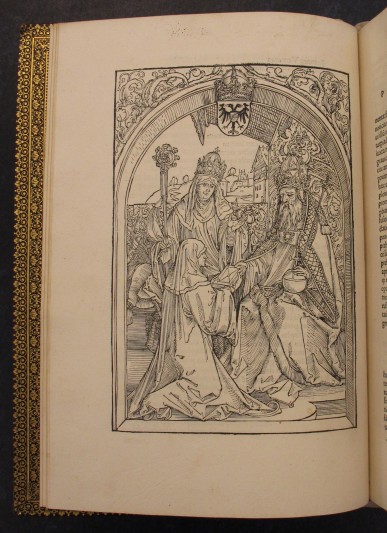
The Opera Hrosvite illustris virginis were edited by Conrad Celtes from the sole surviving manuscript known at the time, and printed in Nuremberg under the first book publishing privileges
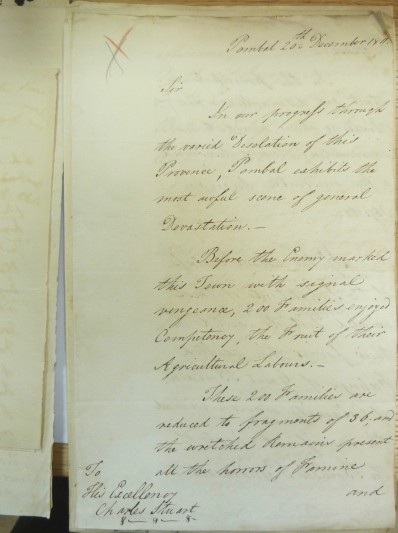
The diplomatic papers of Charles Stuart, 1st baron Stuart de Rothesay, relating to his mission to Portugal 1810-1813, comprise some 680 letters, amounting to about 1,000 pages.
This is a small but varied collection mostly relating to Miss Moyra Goff (1897-1990) and her family, of The Courts, Holt, near Bradford on Avon, Wiltshire.
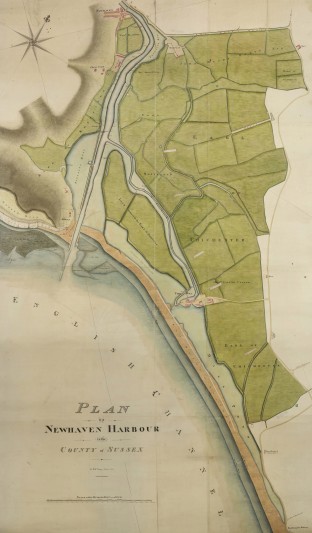
A splendid map of the environs of Newhaven, drawn by William Figg in 1824 measuring over 6 by 8 feet.
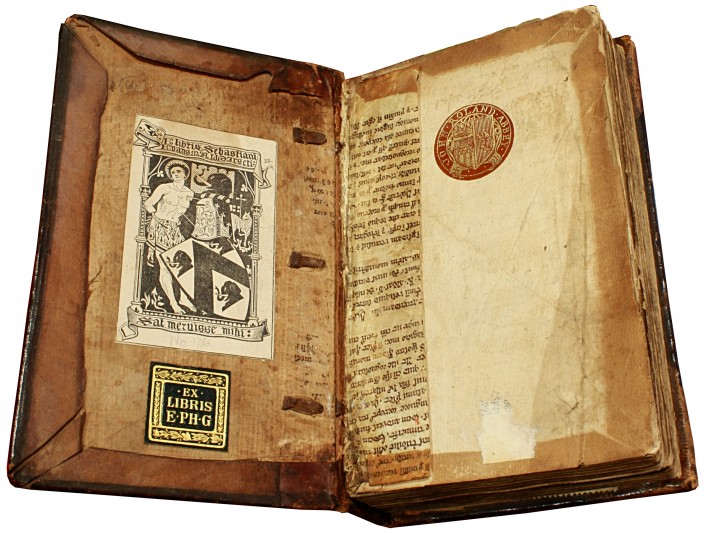
A copy of Astesanus de Ast, Summa de Casibus Conscientiae, in a contemporary named binding by Johannes Meigfoge, active in Ellwangen or Tübingen (Baden-Württemberg) in 1475-1513. The
These are two of the first books printed in Scotland which are, together, of great significance for the history of printing in Scotland and for the evidence they contain about the wider cultural co
Born in 1891, Gwen Ffrangcon-Davies enjoyed an illustrious theatrical career, which saw her working with some of the UK’s leading actors and companies throughout the twentieth century.
The archive of the Canning Family, comprising the papers of George Canning (1770-1827), politician and Prime Minister; his son Charles (1812-1862), Governor-General, later Viceroy of India, and his
The Chastising of God’s children, composed c.1390, circulated widely amongst a cosmopolitan readership in the late Middle Ages in England, and is a centrally important witness to the growi
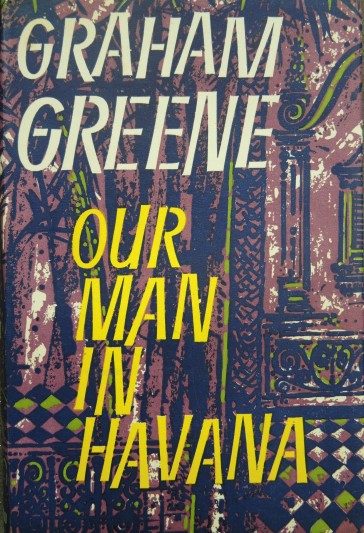
Josephine Reid began working for Graham Greene as his secretary in 1959.
The Coker Court manuscripts consist of the family and estate archives of the Helyar family of East Coker, in south Somerset, and of the Walker, Heneage and Button families of Somerset, Wiltshire an
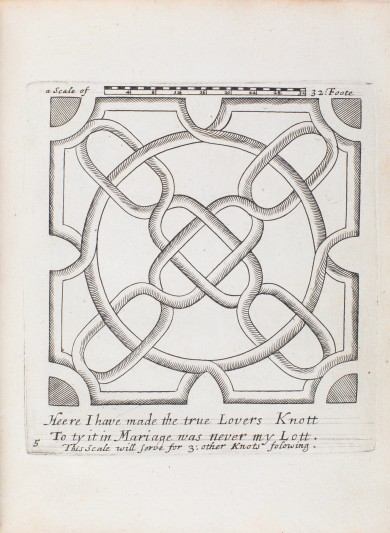
This copy of the The Compleat Gardener’s Practice, a 17th-century gardening book, was acquired from the library of the garden designer Rosemary Verey, and includes the yellow sticker she used to ma
This collection of six letters, eleven manuscripts and two books provide unique insight into the close friendship between E. V. Gordon and J. R. R. Tolkien, formed at the University.
The Hulton of Hulton family and estate archive, while relating chiefly to the Bolton and Salford area of the former County Palatine of Lancaster, is also of regional and national importance.
Michael Faraday is best known for his scientific work and teaching undertaken at the Royal Institution from 1812 until his death in 1867, including the discoveries of electro-magnetic rotations (18
This first edition of The Natural History and Antiquities of Selborne is very finely bound by Robert Riviere with a fore-edge painting of The Plestor, the village square in Selborne, repro
This poll-book, which was owned by Maurice Johnson (founder of the Society) illustrates a most interesting episode in England’s history and further illumates the friendship between Johnson and Will
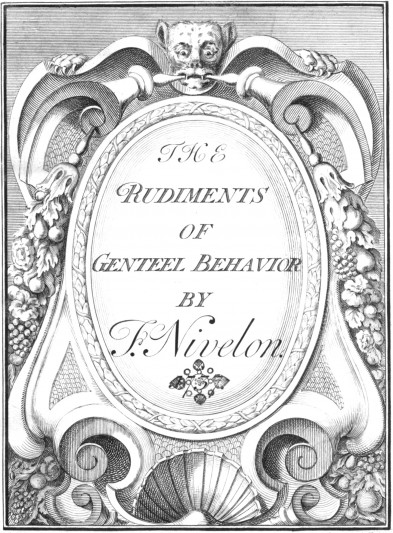
In the 18th century genteel behaviour was a crucial concern of London’s middling sorts, whose homes and domestic lives the Geffrye Museum represents.
Mr Guy Baxter writes: In December 2014 the University of Reading/Beckett International Foundation purchased at auction the theatrical archive of the actress Billie Whitelaw relating to her work wit
An early post-incunable in a remarkable early sixteenth-century binding by a named binder.
One of the very first decisions made by the Mitchell Library trustees in 1874 was that the Library should seek to acquire all that it could about Glasgow, and about Robert Burns.