A scarce book on dance deportment and etiquette privately published by Nivelon, a French dancing master in Stamford, Lincolnshire.
Search FNL grants since 1931
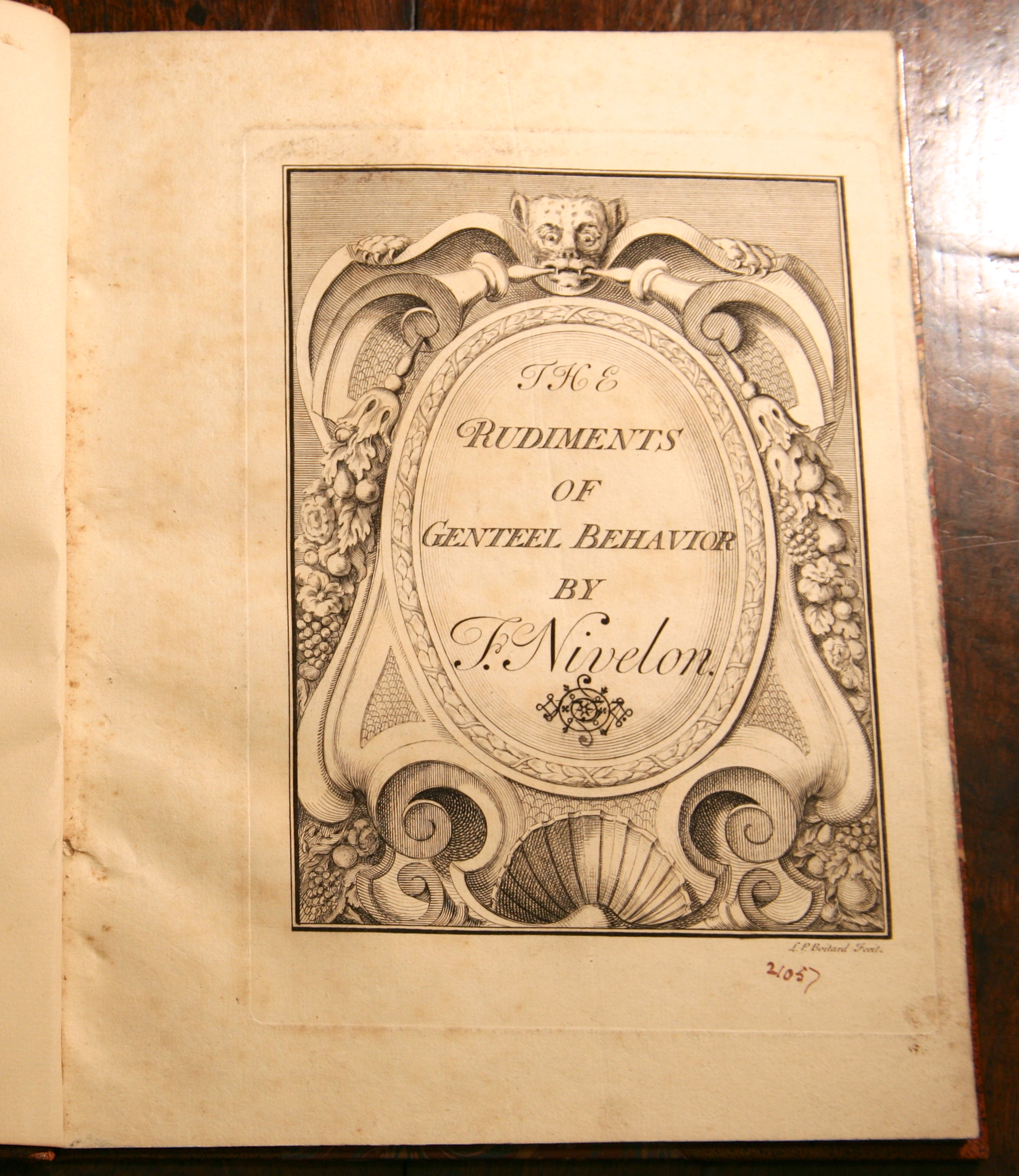
Item date: 1737
Date acquired: 2002
Grant Value: 2,250
Item cost: 4,500
Institution: Gainsborough's House
Town/City: Sudbury
County: Suffolk
Item date: 1780
Date acquired: 2002
Grant Value: 1,000
Item cost: 5,000
Institution: Herefordshire Archives & Records Centre
Town/City: Hereford
County: Herefordshire
Terrier compiled for Richard Payne Knight by James Sherriff, a land agent and landscape gardener, based in Birmingham. The volume contains 41 plans, all but one on vellum, with accompanying text.
Item date: 1399 - 1509
Date acquired: 2002
Grant Value: 2,000
Item cost: 3,863
Institution: Hertfordshire Archives and Local Studies
Town/City: Hertford
County: Hertfordshire
Five substantial court rolls complete the remarkable series of manorial records held by Hertfordshire Archives in almost unbroken series from 1399 to 1933.
Item date: 16th - 20th centuries
Date acquired: 2002
Grant Value: 15,000
Item cost: 664,250
Institution: Centre for Kentish Studies
Town/City: Maidstone
County: Kent
A vast archive of one of Kents great dynasties, providing a unique resource for researchers on a wide range of subjects from political and social to local history.
Item date: 1795 - 1811
Date acquired: 2002
Grant Value: 1,000
Item cost: 11,250
Institution: Leicestershire, Leicester & Rutland Record Office
Town/City: Wigston Magna
County: Leicestershire
A fine copy of this eight volume work bound in red morocco, gilt, owned by Samuel Pipe Wolferstan, who assisted Nichols in the collecting of information on the West Goscote Hundred of Leicestershire. The resulting correspondence is also preserved with the book
Item date: 1840s - 1896
Date acquired: 2002
Grant Value: £10,000
Item cost: £29,500
Institution: Royal Academy of Arts
Town/City: London
A series of 42 diaries together with nearly one thousand letters. Correspondents include the Coleridge family, William Gladstone, John Ruskin, Elizabeth Fry, Joseph Severn, JE Millais and Frederic, Lord Leighton.
Item date: 1950s - present
Date acquired: 2002
Grant Value: 15,000
Item cost: Not recorded
Institution: Sheffield University
Town/City: Sheffield
County: Yorkshire
Complete literary output of one of Britains most distinguished and productive dramatists, together with working drafts and correspondence. The treaty sale price includes all future work by Rosenthal. Grant from the Philip Larkin fund
Item date: 1836
Date acquired: 2002
Grant Value: 1,000
Item cost: 4,500
Institution: Sir John Soanes Museum
Town/City: London
One of the few copies specially bound for presentation to royalty in full red morocco by J Smith of 49 Longacre. No copy had survived at the museum. Illustrated at p.50 of AR
Item date: 1837
Date acquired: 2002
Grant Value: 2,500
Item cost: 5,000
Institution: Westminster Abbey
Town/City: London
Lavish large folio illustrated account of the coronation, possibly the most significant pictorial record of an English coronation ever to appear.
Item date: late 19th and early 20th century
Date acquired: 2002
Grant Value: 10,000
Item cost: 376,475
Institution: Whitworth Art Gallery
Town/City: Manchester
County: Lancashire
The most important archive of material relating to Walter Crane in existence. The artistic and design material is to be held at the Whitworth Art Gallery, the letters, account books and correspondence at the John Ryland s Library.